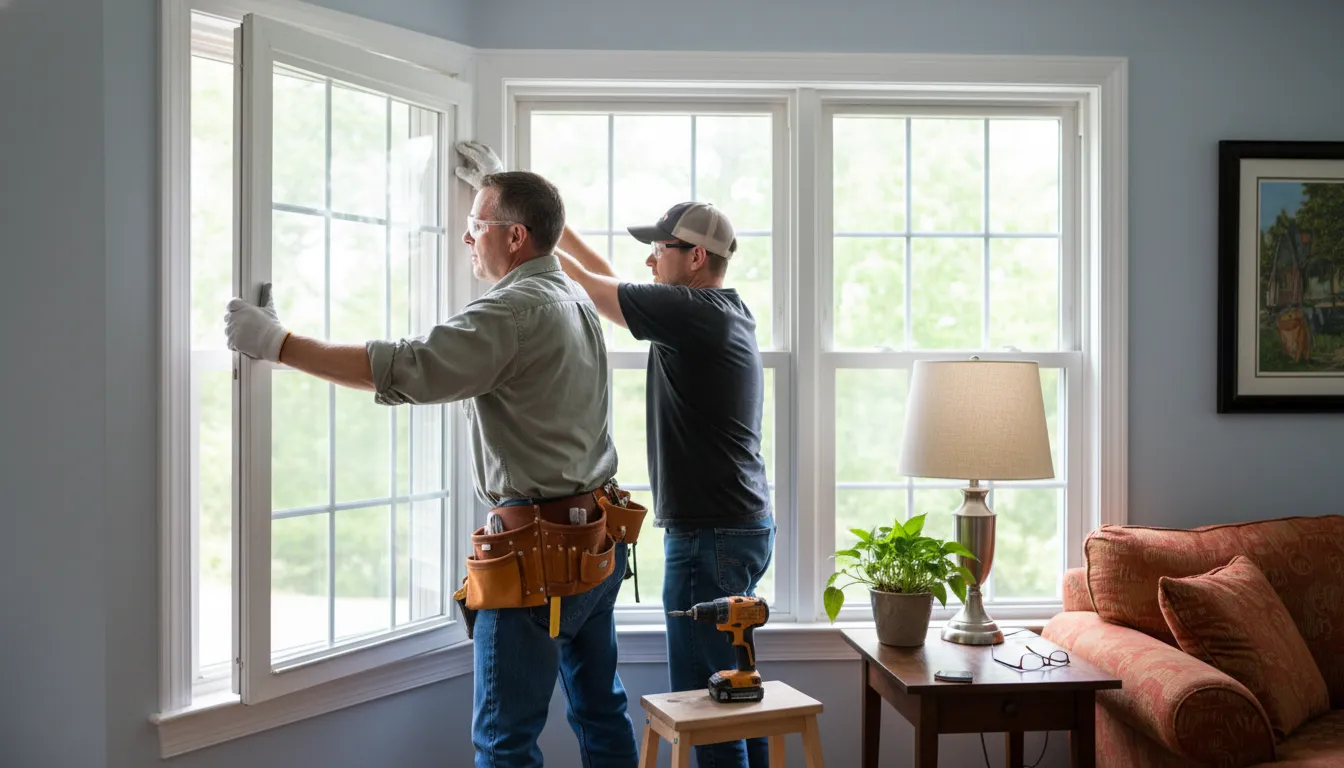
Find the Best Window Replacement Contractors for Your Business
No obligation • Fast responses • Nationwide coverage

Why you can trust Window Rank
Window Rank is a leading U.S. resource for homeowners researching window repair, replacement, egress windows, and sliding glass doors. Our editors analyze services, credentials, and customer feedback to present clear, unbiased comparisons. Companies cannot pay to change our evaluations or featured information.
Search providers near you
Best Window Replacement Contractors in Washington Ranked
Replacing your windows is one of the most impactful home improvement projects you can undertake in Washington. It enhances your home's comfort, reduces energy bills, and increases its value. This guide provides clear, practical information to help you understand your options, navigate state-specific requirements, and connect with qualified local professionals to ensure a successful installation.
Local Glass Repairs LLC
Seattle, WA
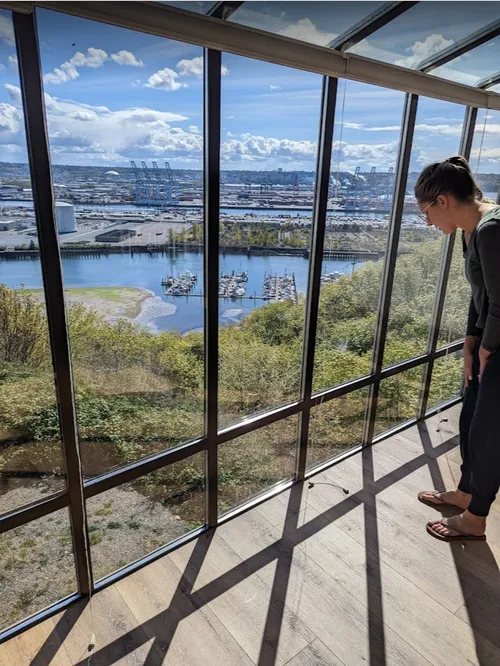
Local Glass Repairs LLC is a window repair and replacement company based in Seattle, WA. They provide fast and professional glass repair services for both residential and commercial properties, specializing in accurate measurement and installation of broken or damaged windows. Their experienced team serves Seattle, Burien, and Tacoma, offering a seamless process backed by a 10-year warranty on insulated glass units.
Einar Johanson Window & Door
922 N 128th St, Seattle, WA 98133
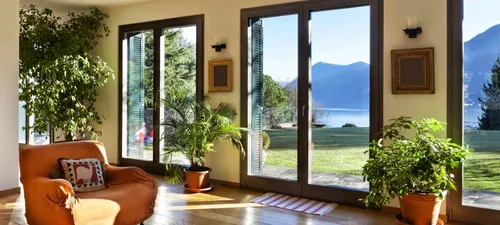
Einar Johanson Window & Door is a window replacement company located in Seattle, WA, specializing in custom window and exterior door replacement. They offer skilled installation services performed by long-term, salaried craftsmen, ensuring precise fits and quality workmanship. With over 67 years of experience, they serve residential customers seeking reliable window and door solutions.

TN Glass Install LLC
5243 S Puget Sound Ave, Tacoma, WA 98409
TN Glass Install LLC is a window repair and replacement company based in Tacoma, WA. They serve both residential and commercial clients, offering expert installation and repair services using high-quality glass from leading manufacturers. The company handles a range of projects, from fixing windows on tall buildings to replacing windows in small businesses. They also provide emergency glass replacement services to help maintain safety and protect properties during urgent situations.
valueGLASS
3228 Perry Ave, Bremerton, WA 98310
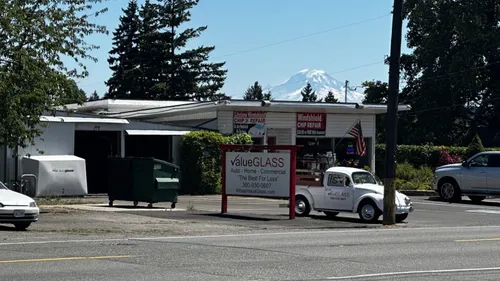
valueGLASS is a veteran-owned window repair and replacement company based in Seattle, WA. They provide glass services for auto, residential, and commercial needs, including windshields, home windows, storefronts, and specialty vehicles. Their certified technicians also calibrate advanced driver-assistance systems (ADAS) after replacements to ensure safety and performance.
Emerald City Energy Windows & Doors
3225 S 116th St # 117, Tukwila, WA 98168
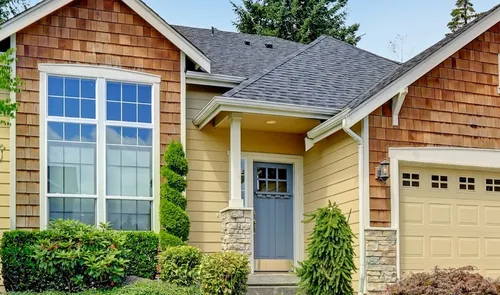
Emerald City Energy Windows & Doors is a family-owned window and door replacement company based in Seattle, WA. They specialize in installing and replacing windows and sliding glass doors, offering expert design recommendations and partnering with leading brands to provide quality products. Serving homeowners in the greater Seattle area, they focus on personalized consultations and professional installations to meet each client's unique needs.
Understanding Your Window Material Options
The material of your window frame significantly impacts its appearance, durability, maintenance needs, and energy efficiency. Washington's varied climate, from the rainy coast to the drier interior, makes choosing the right material crucial.
- Vinyl: This is the most popular choice for Washington homes. Vinyl windows are affordable, offer excellent energy efficiency, and require virtually no maintenance-they won't rot, peel, or need painting. Their primary limitation is a more restricted range of color options compared to other materials.
- Wood: Wood frames provide a classic, beautiful look and are exceptional natural insulators. They are often chosen for historic homes or to achieve a specific aesthetic. However, they require significant upkeep to protect against Washington's moisture, which can lead to rot, and pests.
- Fiberglass/Composite: These materials offer a great balance of durability and efficiency. They are stronger than vinyl, resist warping and corrosion, and have insulation properties similar to wood but with much lower maintenance. This performance comes at a higher initial cost 1.
- Aluminum: Known for their strength and slim, modern profiles, aluminum windows are very durable. Their main drawback is that metal is a poor insulator, which can lead to thermal transfer (condensation and heat loss) unless they include a thermal break-a barrier within the frame.
Choosing the Right Window Style for Your Home
The style of window affects its operation, ventilation, airtightness, and overall look. Your choice should blend functionality with your home's architectural character.
- Double-Hung & Single-Hung: These traditional, vertically sliding windows are extremely common. They offer good ventilation and are easy to clean (especially tilt-in double-hungs). However, their sliding design can be less airtight than other styles.
- Casement, Awning & Hopper: These windows are hinged and open outward (casement), upward (awning), or inward (hopper). They operate with a crank and seal via compression, making them among the most energy-efficient and airtight operable styles available 2.
- Fixed (Picture) Windows: As the name implies, these windows do not open. Because they have no moving parts or seals, they are the most airtight option, perfect for maximizing views and natural light where ventilation isn't needed.
- Specialty Windows: This category includes bay, bow, garden, and arched windows. They create dramatic visual interest and can expand interior space but involve more complex framing and installation, leading to a higher cost 3.
Washington State Codes and Key Features
Installing new windows in Washington isn't just about aesthetics; it's a regulated activity designed to ensure safety, efficiency, and proper egress. Adhering to these codes is non-negotiable.
- Washington State Energy Code (WAC 51-51-4502): All window replacements must meet the current state energy efficiency standards 4. This code dictates maximum U-factors (insulation value) and Solar Heat Gain Coefficients (SHGC) to keep your home comfortable and energy use low.
- Safety Glazing: Tempered or laminated safety glass is required in "hazardous locations," such as windows adjacent to doors, in showers, or where the bottom edge is less than 18 inches above the floor. This prevents serious injury if the glass is broken.
- Window Fall Protection (R312): Building codes include requirements to prevent falls from windows, which may dictate the size of openings or the type of hardware used, especially in multi-story homes.
- Egress Requirements: If you are replacing windows in bedrooms or basement living spaces, they must meet specific egress codes to provide a safe escape in an emergency. In Washington, this typically means a minimum clear opening of 24 inches high by 20 inches wide, with a net clear opening of at least 5.7 square feet, and the sill no higher than 44 inches from the floor 5.
- Key Performance Features: To meet code and maximize savings, look for:
- Low-E Coatings: Microscopic metallic layers on the glass that reflect infrared heat, keeping your home warmer in winter and cooler in summer.
- Gas Fills: Inert gases like argon or krypton are sealed between panes of glass. They are denser than air, providing superior insulation and reducing heat transfer 6.
- Multiple Panes: Double-pane glass is standard, but triple-pane offers even greater insulation and noise reduction, a valuable feature in many Washington neighborhoods.
Cost, Savings, and Return on Investment
Understanding the financial aspects of window replacement helps you budget effectively and recognize the long-term value of your investment.
- Average Cost: In Washington, the average cost to replace a window, including labor and materials, ranges from $600 to over $1,000 per window installed. The final price depends on the window's size, material, style, glass features, and the complexity of the installation.
- Glass Package Costs: Upgrading your glass significantly impacts price and performance. Double-pane windows typically range from $340 to $897, while triple-pane windows can cost between $500 and $1,200 or more.
- Energy Savings: High-performance windows directly reduce your heating and cooling bills. ENERGY STAR certified windows can save an average of 12% on your annual energy bills 7. Over the lifespan of the windows, these savings are substantial.
- Rebates and Incentives: Check with local utilities like Puget Sound Energy for potential rebates on energy-efficient upgrades. Federal tax credits may also be available for qualifying installations, providing direct savings on your tax bill.
- Return on Investment (ROI): A quality window replacement is more than an expense; it's a home improvement that pays back. A good installation with mid-range to high-end windows can offer a 70% or higher ROI in resale value, while also making your home more attractive to potential buyers 8 9.
Find the perfect window replacement contractors for your needs
Get personalized recommendations and expert advice
The Installation Process: Full-Frame vs. Pocket
The installation method is as critical as the window quality. A poor installation can negate the benefits of even the best windows.
- Full-Frame Replacement: This is the most comprehensive method. The installer removes the entire existing window, including the interior and exterior trim and the sill. This allows for a thorough inspection of the rough opening, repair of any water damage or rot, and the installation of new flashing and insulation. It ensures the best possible seal, energy efficiency, and longevity but is more labor-intensive and costly 10.
- Pocket (Insert) Replacement: This is a less invasive option where only the old window sashes and tracks are removed. The new window unit is installed directly into the existing, intact frame. It's faster, less expensive, and creates less mess. However, it's only suitable if your existing frame is square, structurally sound, and free of rot. It also results in a slightly smaller glass area.
- Permits: Most window replacement projects, especially those that alter the rough opening size or are part of a larger renovation, require a building permit. Your professional installer will typically handle pulling the necessary permits, ensuring the work is inspected and complies with all Washington state and local codes.
Finding the Right Professional in Washington
Given the importance of proper installation for performance and ROI, selecting a qualified contractor is paramount. Look for a licensed, bonded, and insured professional with specific experience in window installation. They should be knowledgeable about Washington's energy and egress codes. Ask for local references, review their portfolio of completed projects, and ensure they provide a detailed, written estimate that outlines the scope of work, materials, timeline, and warranty information.
Frequently asked questions
Sources
Footnotes
-
The Windows on Washington Replacement Window Buyer's ... - https://f.hubspotusercontent20.net/hubfs/140126/eBook_Window_Buyers_Guide/WoW_Buyers-Guide_ebook.pdf ↩
-
Window Buyers Guide - City of Port Angeles - https://www.cityofpa.us/DocumentCenter/View/220/Window-Buyers-Guide ↩
-
What Should Replacing Your Windows Cost? - https://www.windowsonwashington.net/blog-full/what-should-replacing-your-windows-cost ↩
-
WAC 51-51-4502: - https://app.leg.wa.gov/wac/default.aspx?cite=51-51-4502 ↩
-
Washington State Egress Window Code - https://www.thegreategressco.com/pages/washington-egress-requirements ↩
-
Energy Efficient Windows | Andersen Windows & Doors - https://www.andersenwindows.com/ideas-and-inspiration/why-andersen/energy-efficiency/ ↩
-
Cost to replace a window: Smart Guide 2025 - HomeBuild Windows - https://homebuildwindows.com/cost-to-replace-a-window/ ↩
-
Our 2025 Guide to Energy Efficient Windows - https://lakewashingtonwindows.com/guide-energy-efficient-windows/ ↩
-
Windows Replacement in Washington (2026) - https://www.ecowatch.com/windows/replacement/wa ↩
-
Complete Window Replacement Guide 2025 | Types, Installation & ... - https://westshorehome.com/home-improvement-resources/educational-guides/window-replacement/ ↩