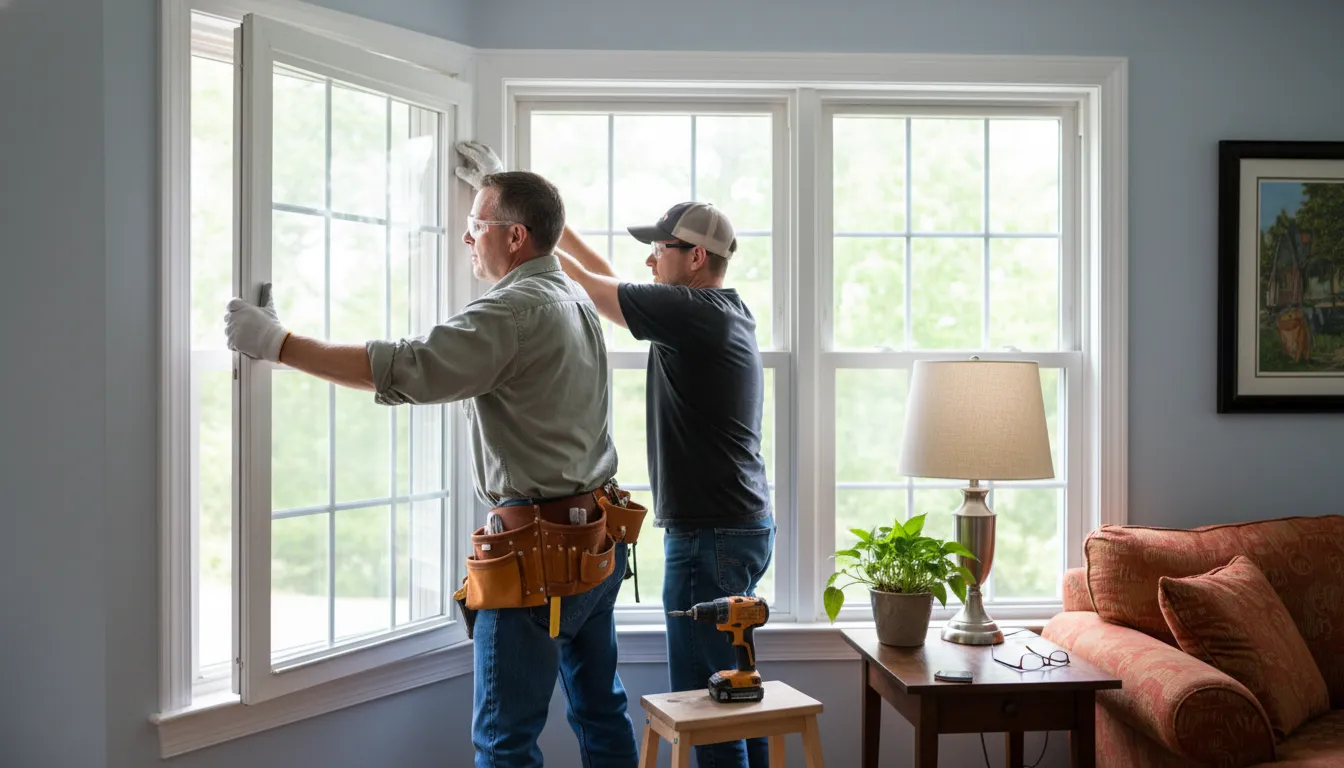
Find the Best Window Replacement Contractors for Your Business
No obligation • Fast responses • Nationwide coverage

Why you can trust Window Rank
Window Rank is a leading U.S. resource for homeowners researching window repair, replacement, egress windows, and sliding glass doors. Our editors analyze services, credentials, and customer feedback to present clear, unbiased comparisons. Companies cannot pay to change our evaluations or featured information.
Search providers near you
Best Window Replacement Contractors in Idaho Ranked
Replacing your windows is a significant home improvement project that can enhance your home's comfort, energy efficiency, and value. In Idaho, where temperatures can swing from hot summers to cold winters, choosing the right windows and a professional installation is crucial. This guide will help you understand your options, from material choices and energy ratings to local building codes and costs, so you can make an informed decision and connect with qualified local professionals for your project.

Glass Doctor of Southwest Idaho
44 S Meridian Rd, Meridian, ID 83642
Glass Doctor of Southwest Idaho provides window repair and replacement services for homes, businesses, and vehicles in Boise, ID. They offer a range of glass solutions including home window repair, commercial glass services, and auto glass replacement with industry-standard windshields. The company is known for its Windshield Protection Plan, which covers unlimited chip repairs and windshield replacement within 12 months, along with a lifetime workmanship warranty on auto glass installations. With over 60 years of experience in the glass service industry, Glass Doctor of Southwest Idaho also offers 24/7 emergency service and priority scheduling through their Advantage Plan.
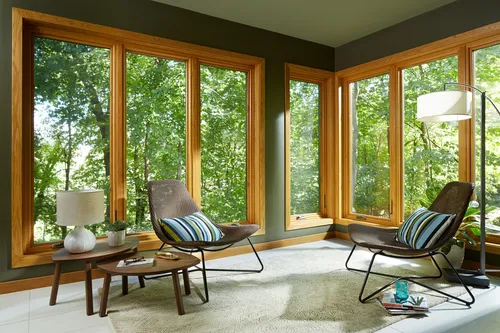
Renewal by Andersen of Boise
3531 E Overland Rd, Meridian, ID 83642
Renewal by Andersen of Boise is a window replacement company and sliding glass door installer serving Boise, ID, and the surrounding Treasure Valley and Eastern Oregon areas. They provide customized window and door solutions designed to enhance home comfort and energy efficiency. Their certified installers handle the full process from design consultation to installation, ensuring quality and care. Renewal by Andersen of Boise is part of a national network and offers a comprehensive warranty on both products and installation.
Avision Windows and Doors
1047 S Wells St Suite E, Meridian, ID 83642
Avision Windows and Doors is a window replacement and sliding glass door installation company based in Meridian, Idaho, serving the Boise area and the broader Treasure Valley region including Meridian, Eagle, and Caldwell. They specialize in new window and door installations as well as comprehensive remodeling projects for both homes and businesses. Their services extend through their division, Clarity Exteriors, which focuses on exterior and deck remodels and new build installations, enhancing both the appearance and functionality of properties.
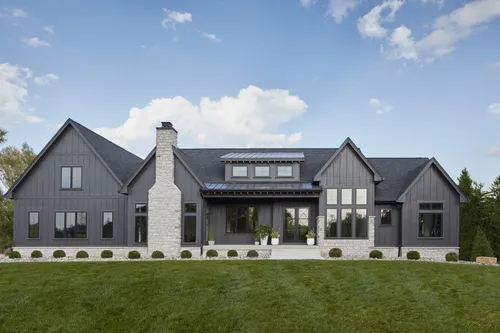
Pella Windows and Doors Showroom of Boise, ID
1580 E State St #103, Eagle, ID 83616
Pella Windows and Doors Showroom of Boise, ID offers window replacement and sliding glass door installation services in Boise, Idaho. The company serves the Treasure Valley area, including Meridian, Nampa, Caldwell, Eagle, Middleton, Star, Kuna, and nearby communities. They provide energy-efficient and custom-designed windows and doors suited for the local climate and architectural styles. Pella products come with specialized warranty coverage designed for mountain-ready performance, ensuring durability in rugged weather conditions.
Masterpiece Construction Experts
Boise, ID
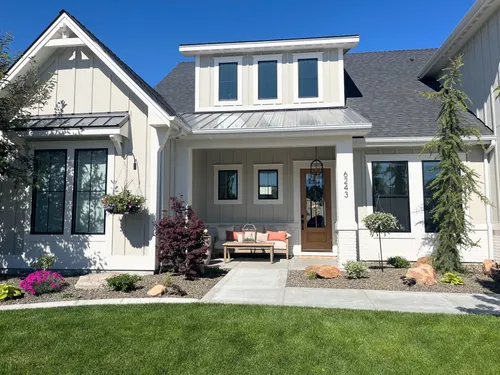
Masterpiece Construction Experts is a family-owned window replacement and sliding glass door installation company serving Boise, ID, and nearby communities including Meridian, Nampa, and Eagle. They specialize in installing energy-efficient windows and custom exterior doors that enhance home comfort, security, and curb appeal. With over 35 years of hands-on experience, Brandon personally oversees every installation, ensuring consistent craftsmanship without subcontractors. Their services focus on improving energy savings and home aesthetics.
Why Replace Your Windows in Idaho?
Old, drafty windows are a major source of energy loss. In fact, heat gain and loss through windows account for 25-30% of residential heating and cooling energy use 1. For Idaho homeowners, this means your furnace and air conditioner work harder year-round. Upgrading to modern, energy-efficient windows can dramatically improve your home's thermal envelope, leading to lower utility bills, reduced drafts, and increased indoor comfort. Beyond energy savings, new windows can also improve curb appeal, reduce outside noise, and enhance home security with modern locking mechanisms.
Choosing the Right Window Material
The frame material you choose impacts the window's cost, maintenance, durability, and insulating properties. Here are the most common options for Idaho homes:
- Vinyl: This is the most popular choice due to its affordability, excellent energy efficiency, and minimal maintenance (no painting or staining required). Modern vinyl windows are durable and resist warping, though extreme temperature fluctuations can be a consideration.
- Wood: Wood windows offer a classic, timeless look and provide excellent natural insulation. However, they are typically the most expensive option and require regular maintenance, such as painting or sealing, to protect against Idaho's weather.
- Fiberglass: Known for exceptional strength and durability, fiberglass frames are resistant to warping, rotting, and corrosion. They offer thermal performance comparable to wood and can be a great long-term investment, though they come at a higher price point than vinyl.
- Fibrex® (Andersen): This composite material blends wood fibers and thermoplastic polymer. It is highly resistant to moisture and warping, offers good thermal performance, and requires less maintenance than pure wood.
- Aluminum: Aluminum frames are strong, slim, and low-cost, but they are poor insulators. They are often used in commercial settings or in mild climates but are generally not recommended for maximizing energy efficiency in Idaho's varied climate.
Understanding Energy Efficiency and Performance Ratings
Selecting energy-efficient windows is key to realizing long-term savings. Look for these labels and features:
- ENERGY STAR® Certification: This government-backed label is your first sign of an energy-efficient product. ENERGY STAR-certified windows are independently certified to perform better in your climate zone.
- NFRC Label: The National Fenestration Rating Council label provides specific performance metrics. Key ratings to check are:
- U-Factor: Measures how well the window prevents heat from escaping. Lower numbers mean better insulation.
- Solar Heat Gain Coefficient (SHGC): Measures how well the window blocks heat caused by sunlight. In Idaho, a lower SHGC is beneficial for summer cooling, while a moderate SHGC can help with passive solar heating in winter.
- Low-E Glass: Low-emissivity (Low-E) coatings are microscopic, invisible layers of metal or metallic oxide on the glass. They reflect infrared light, keeping heat inside in the winter and outside in the summer, without compromising visible light. This is one of the most effective features for improving window efficiency 2.
Idaho Building Codes and Safety Requirements
Professional installers will ensure your new windows meet local building codes, which are crucial for safety and performance.
- Safety Glass: Tempered or laminated glass is required by code in windows that are near doors, adjacent to stairs, or in areas where the bottom of the glass is less than 18 inches above the floor. This "safety glazing" is designed to break into small, less hazardous pieces 3.
- Egress Requirements: If you are replacing a bedroom window, it must typically meet egress requirements, providing a large enough clear opening for escape in an emergency. The 2020 Idaho Residential Code specifies minimum dimensions for width, height, and net clear opening area. It's important to note that some code provisions for sill height can be relaxed for standard replacement windows, but the opening size is critical 4.
- Proper Installation & Flashing: Idaho follows the International Residential Code (IRC), which mandates proper installation methods to prevent water intrusion. This includes correct flashing-a water-resistant material that directs water away from the window opening-which is essential for preventing leaks and rot 5.
Find the perfect window replacement contractors for your needs
Get personalized recommendations and expert advice
Window Replacement Costs in Idaho
The cost to replace windows in Idaho varies widely based on the factors discussed. Here is a general cost range per window, including materials and professional installation 6 7 8:
- Vinyl Windows: $300 - $800+
- Fiberglass Windows: $500 - $2,500+
- Wood or Clad-Wood Windows: $800 - $3,000+
These prices are influenced by:
- Window Size and Style: Larger windows, custom shapes, and complex styles (like bays or bows) cost more than standard double-hung or sliding windows.
- Installation Type: A "retrofit" or "insert" installation, where the new window fits into the existing frame, is typically less expensive than a "full-frame" replacement, which involves removing the entire window unit down to the rough opening.
- Glass Features: Upgrades like triple-pane glass, argon or krypton gas fills between panes, and specialized Low-E coatings will increase the price but also improve performance.
- Labor and Location: Labor costs and the accessibility of your home can affect the final price.
- Permits: Your installer will usually handle any required permits, which can add $50 to $300 to the project cost 9.
The Professional Installation Advantage
While DIY window replacement is possible, professional installation is highly recommended. Certified installers ensure:
- Code Compliance: They understand and adhere to Idaho's specific building and egress codes.
- Proper Sealing and Flashing: Correct installation is vital to prevent air/water leaks that can lead to mold, rot, and energy loss. Improper flashing is a leading cause of window failure.
- Warranty Protection: Many window manufacturers' warranties are only valid if the product is installed by a certified professional.
- Efficiency and Expertise: Professionals complete the job faster and have the tools and knowledge to handle unexpected issues, like rotted wood or structural adjustments.
Planning Your Project: A Checklist
- Assess Your Needs: Identify why you're replacing windows (drafts, high bills, aesthetics, maintenance).
- Set a Budget: Determine a realistic budget based on the number of windows and desired materials.
- Research Materials & Efficiency: Decide on a frame material and prioritize ENERGY STAR-certified windows with Low-E glass for Idaho's climate 10.
- Understand Local Codes: Be aware of egress rules for bedrooms and safety glazing requirements.
- Get Multiple Quotes: Contact several licensed and insured local professionals for detailed written estimates.
- Verify Credentials: Check for proper licensing, insurance, and references. Look for installers certified by window manufacturers.
- Review the Contract: Ensure the contract includes a detailed scope of work, product specifications, warranty information, a clean-up clause, and the total price.
Frequently asked questions
Sources
Footnotes
-
Update or Replace Windows - Department of Energy - https://www.energy.gov/energysaver/update-or-replace-windows ↩
-
Window Types and Technologies - Department of Energy - https://www.energy.gov/energysaver/window-types-and-technologies ↩
-
Existing Window and Door Overview - HUD User - https://www.huduser.gov/publications/pdf/doors2.pdf ↩
-
2019 Building Code for Replacement Windows: Expert Q&A Guide - https://www.justanswer.com/home-improvement/e4heh-question-replacement-windows-pertain-2019.html ↩
-
2020 Idaho Residential Code - R609.1 General. - https://codes.iccsafe.org/s/IDRC2020P1/part-iii-building-planning-and-construction/IDRC2020P1-Pt03-Ch06-SecR609.1 ↩
-
Window Replacement Costs in Boise/Meridian - https://www.treasurevalleyexteriors.com/boise/window-cost.html ↩
-
Complete Window Replacement Guide 2025 | Types, Installation & ... - https://westshorehome.com/home-improvement-resources/educational-guides/window-replacement/ ↩
-
Windows for Your Idaho Home | Everything You Need to Know - https://abstractrd.com/windows-windows-glass-whats-to-know-about-windows-for-your-home/ ↩
-
Update or Replace Windows | Department of Energy - https://www.energy.gov/energysaver/update-or-replace-windows ↩
-
Single Pane Windows and Energy Efficiency in Idaho Homes - https://www.vantagepointidaho.com/post/single-pane-windows-and-energy-efficiency-in-idaho-homes-what-you-need-to-know ↩