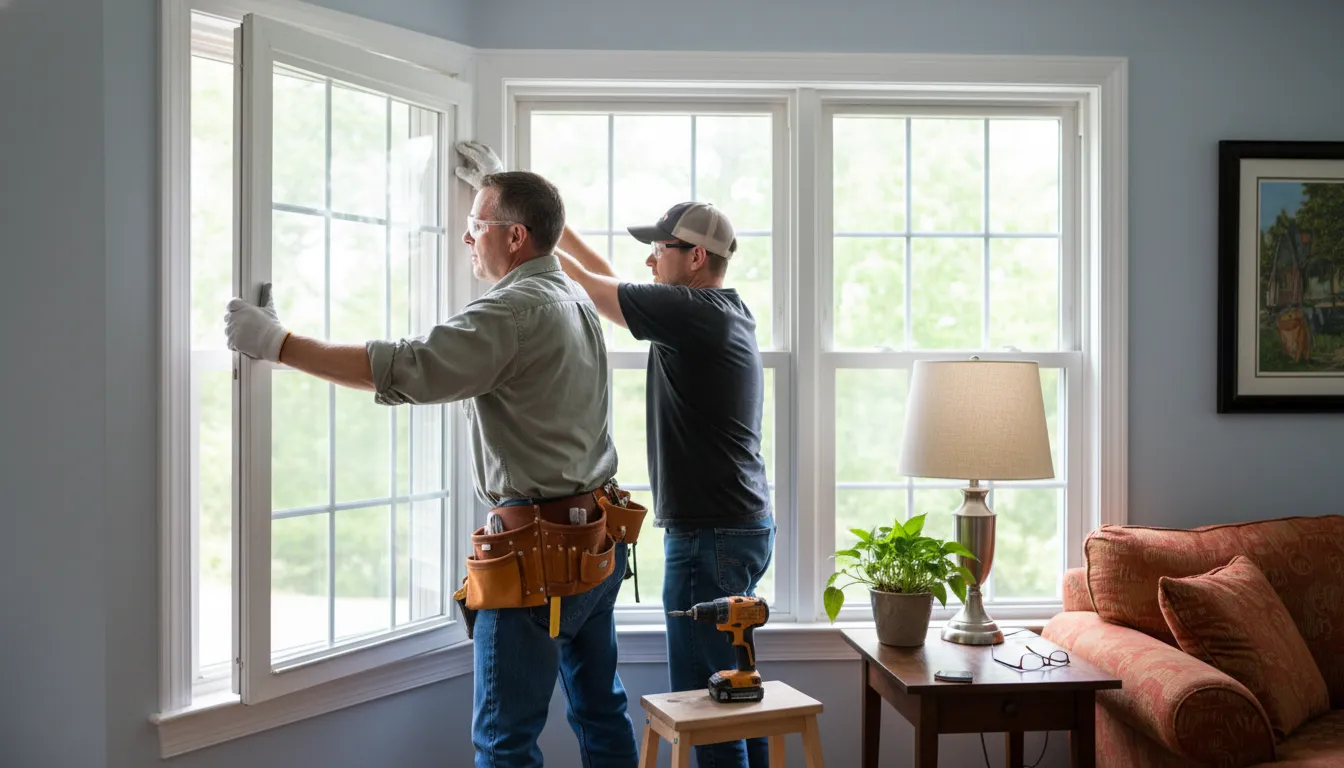
Find the Best Window Replacement Contractors for Your Business
No obligation • Fast responses • Nationwide coverage

Why you can trust Window Rank
Window Rank is a leading U.S. resource for homeowners researching window repair, replacement, egress windows, and sliding glass doors. Our editors analyze services, credentials, and customer feedback to present clear, unbiased comparisons. Companies cannot pay to change our evaluations or featured information.
Search providers near you
Best Window Replacement Contractors in Hawaii Ranked
Replacing your windows in Hawaii is a significant home improvement that directly impacts your comfort, energy bills, and home's resilience. The unique tropical climate-with intense sun, high humidity, salt air, and potential for severe weather-demands specialized window solutions. This guide will help you understand the critical considerations for window installation in Hawaii, from selecting the right materials and styles to navigating local building codes, so you can make informed decisions and connect with qualified local professionals for your project.
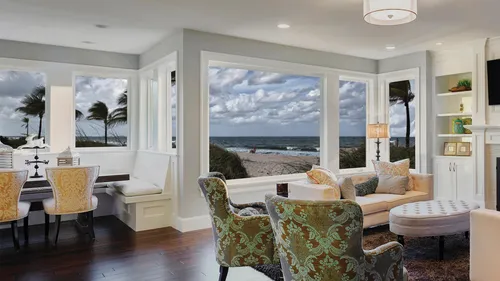
Window World of Oahu
905 Kalanianaʻole Hwy Bldg 50 #06, Kailua, HI 96734
Window World of Oahu is a window replacement and sliding glass door installer serving Honolulu, HI. They specialize in energy-efficient exterior remodeling products made in America, including windows and doors designed to improve home curb appeal and efficiency. Established in 2019, the company combines local service with the backing of a nationally recognized brand. They offer in-home or virtual consultations and provide a visualizer tool to help customers plan their projects.
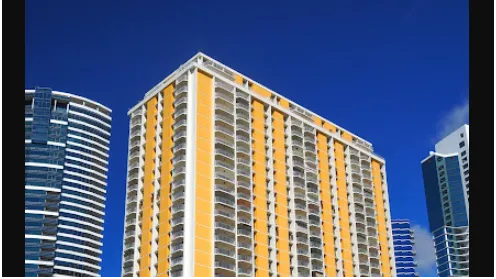
Seal Masters of Hawaii
80 Sand Island Access Rd, Honolulu, HI 96819
Seal Masters of Hawaii is a window replacement company based in Honolulu, HI, specializing in exterior building renovations. They offer a range of services including window and door replacement, concrete repair, waterproofing, painting, sealant replacement, and railing replacement. Established in 1986, the company has decades of experience restoring and protecting buildings across Hawaii, from historic landmarks to modern structures.
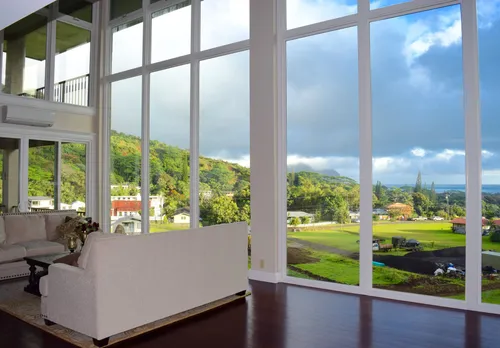
Discount Windows & Doors
45-564 Kamehameha Hwy APT A1, Kaneohe, HI 96744
Discount Windows & Doors is a locally owned window and door company serving Honolulu, HI. They specialize in window repair, sliding glass door repair, window replacement, and sliding glass door installation. The company offers products engineered specifically for Hawaii's climate, including hurricane resistant impact windows and self-cleaning glass. With over 15 years in business and a combined 100 years of industry experience, Discount Windows & Doors provides solutions for various home types, including single-family homes and high-rise condominiums. Their expertise includes meeting Hawaii's updated building codes for wind and impact resistance, ensuring durability and safety for residential and condominium applications.
Sunburst Windows
905 Kalanianaʻole Hwy #3207, Kailua, HI 96734
Sunburst Windows is a window replacement company and sliding glass door installer located in Honolulu, HI. They provide expert design and quality craftsmanship for custom-fit windows and doors, focusing on reducing noise and enhancing comfort. The company offers products from well-known brands like Marvin and Milgard, known for their durability and performance. Sunburst Windows emphasizes customer experience from consultation to project completion and supports their work with strong limited warranties.
The Glass Guru
96-1185 Waihona St c3, Pearl City, HI 96782
The Glass Guru is a full-service glass company based in Honolulu, HI, offering residential and commercial glass repair, window replacement, custom mirrors, and door solutions. Serving a wide range of locations across Oahu, they specialize in precise glass repairs, full window replacements, and custom mirror installations for various spaces. Established in 2009, The Glass Guru combines local knowledge with extensive experience to provide tailored glass services. The company also handles sliding glass door repairs and custom shower glass installations, addressing both functional and aesthetic needs.
Why Hawaii's Climate Demands Specialized Windows
The Hawaiian environment presents a distinct set of challenges for any building component, especially windows. Standard windows from the mainland may not withstand the long-term effects of constant UV exposure, salt spray corrosion, and high humidity, which can lead to premature failure, fogging, and rot. More importantly, windows are your home's primary defense against solar heat gain, which is the leading driver of cooling costs in the islands. Choosing the wrong windows can result in uncomfortably warm interiors and excessively high air conditioning bills. Furthermore, homes in designated hurricane zones have strict building code requirements for impact resistance. Investing in windows designed for Hawaii's conditions is an investment in long-term durability, energy savings, and safety 1.
Key Window Performance Factors for Hawaii
When evaluating new windows, look beyond just the frame material and style. Two critical performance metrics, verified by the National Fenestration Rating Council (NFRC) label, are paramount for Hawaiian homes:
- Solar Heat Gain Coefficient (SHGC): This measures how much solar radiation (heat) passes through the window. A lower SHGC number is better in Hawaii, as it indicates the window is more effective at blocking heat from the sun, keeping your home cooler.
- U-Factor: This measures the rate of heat transfer through the window. A lower U-Factor indicates better insulation, which helps keep conditioned air inside your home. While SHGC is often the priority for cooling-dominated climates, a good U-factor contributes to overall efficiency 2.
For optimal energy performance, look for the ENERGY STAR label specific to the tropical climate zone, which sets benchmarks for these values. Windows that meet these criteria often feature double-pane glass with a Low-E (low-emissivity) coating. This microscopic metallic coating reflects infrared heat while allowing visible light to pass through, significantly reducing heat gain and protecting your interior from UV fading 3.
Best Window Styles for Island Living
The right window style can enhance both function and airflow in your home.
- Double-Hung & Sliding Windows: These are versatile, common choices that offer good ventilation and are widely available in impact-resistant and high-performance models.
- Awning Windows: Hinged at the top and opening outward, these are an excellent choice for Hawaii. They allow for ventilation even during rain showers, as the design sheds water away from the opening 4.
- Jalousie or Louvered Windows: A classic tropical style, these windows feature parallel glass slats that open and close in unison. They maximize cross-ventilation and airflow, which is crucial for cooling in humid conditions. Modern jalousies offer improved security and weather sealing over older versions 5.
- Fixed/Picture Windows: Ideal for capturing stunning views without the need for ventilation. They typically offer the best energy performance and weather sealing since they don't open.
Find the perfect window replacement contractors for your needs
Get personalized recommendations and expert advice
Choosing the Right Frame Material
The frame material must endure salt air and humidity. The most suitable options for Hawaii include:
- Vinyl: A top choice for its durability, low maintenance, and inherent resistance to corrosion and moisture. Modern vinyl windows offer excellent thermal insulation and can be fitted with robust hardware for hurricane zones.
- Aluminum: Extremely strong and durable, aluminum is naturally resistant to salt air corrosion, especially when finished with a baked-on coating. Thermal breaks (a plastic barrier within the frame) are essential to prevent condensation and improve energy efficiency. Aluminum is often used in commercial applications and impact-resistant windows.
- Fiberglass: Known for its strength, stability, and low thermal expansion, fiberglass is a premium option that performs well in varied climates and requires minimal upkeep.
- Wood (with Care): Wood offers a classic aesthetic but requires a commitment to maintenance in Hawaii's humid climate. It must be protected with high-quality, durable paint or stain to prevent moisture damage. Wood-clad windows (wood inside, aluminum or vinyl outside) can be a good compromise.
Understanding Installation: Pocket vs. Full-Frame Replacement
The installation method affects the window's performance, aesthetics, and cost.
- Pocket (or Insert) Replacement: The new window is installed inside the existing frame. This is a less invasive, faster, and often less expensive option. However, it may limit size and style choices, and it doesn't address potential rot or damage in the old frame.
- Full-Frame Replacement: The entire window, including the frame and trim, is removed down to the rough opening. This allows for a thorough inspection of the wall structure, repair of any water damage, and the installation of new flashing and insulation. It enables a complete change in window size or style and typically results in the best possible energy efficiency and weather seal. For older homes or when moving to a significantly more efficient window, full-frame is often recommended.
Professional installers will assess your home and recommend the best method. Proper installation is critical to ensuring the window performs as designed, preventing air/water leaks that can lead to mold and structural damage.
Navigating Permits and Hurricane Codes
Building permits are generally required in Hawaii for window replacement if you are changing the size of the opening or if your home is in a designated hurricane zone. County building departments enforce specific wind-borne debris protection codes.
- Impact-Resistant Windows: In many coastal and high-wind areas, code requires windows to pass rigorous testing for impact resistance (often with a large missile test). These windows feature a special laminated glass (similar to a car windshield) that holds together even when shattered, protecting your home from debris during a storm 6.
- Documentation: Your window professional should be familiar with local codes and can provide the necessary product certification labels (like an ASTM certification) required for permit approval.
Always check with your local county building department to understand the specific requirements for your property before beginning a project.
Cost Considerations for Window Replacement in Hawaii
Costs can vary widely based on the factors discussed. As a general guide:
- Material Costs Per Window: Vinyl windows may range from $200 to $800, fiberglass from $500 to $1,200, and wood from $800 to $1,500 or more, depending on size, features, and performance ratings 7.
- Labor Costs: Professional installation typically adds $150 to $300 per window. Complex installations, full-frame replacements, or work on older homes may increase this cost 8.
- Total Project Cost: A whole-home window replacement in Hawaii can range from $15,000 to $25,000 or more, depending on the number of windows, materials selected (especially impact-resistant glass), and the scope of installation work needed 9.
While price is a factor, prioritize value-a properly installed, high-performance window will pay dividends in energy savings, comfort, and longevity in Hawaii's demanding environment.
Frequently asked questions
Sources
Footnotes
-
What Are the Best Windows for Hawaii Weather? - https://sunbursthawaii.com/best-windows-for-hawaii/ ↩
-
Update or Replace Windows - Department of Energy - https://www.energy.gov/energysaver/update-or-replace-windows ↩
-
Energy-Efficient Windows: Save on Bills - Sunburst Windows & Siding - https://sunbursthawaii.com/energy-efficient-windows/ ↩
-
24 Window Types: Which One is Right for You? - https://sunbursthawaii.com/window-types/ ↩
-
window types | kktf-hawaii-llc - https://www.kktfhawaii.com/window-types ↩
-
Windows Replacement in Hawaii (2025) - https://www.ecowatch.com/windows/replacement/hi ↩
-
Various Types of Home Windows in Hawaii: Select the Best ... - https://sunbursthawaii.com/various-types-of-home-windows-in-hawaii-select-the-best-one-for-your-needs/ ↩
-
Complete Window Replacement Guide - West Shore Home - https://westshorehome.com/home-improvement-resources/educational-guides/window-replacement/ ↩
-
The Beginner's Guide to Window Replacement in Hawaii - https://sunbursthawaii.com/the-beginners-guide-to-window-replacement-in-hawaii/ ↩