
Find the Best Egress Window Contractors for Your Business
No obligation • Fast responses • Nationwide coverage

Why you can trust Window Rank
Window Rank is a leading U.S. resource for homeowners researching window repair, replacement, egress windows, and sliding glass doors. Our editors analyze services, credentials, and customer feedback to present clear, unbiased comparisons. Companies cannot pay to change our evaluations or featured information.
Search providers near you
Best Egress Window Contractors in Pennsylvania Ranked
An egress window is a critical safety feature for any basement bedroom or living space, providing a legal and usable emergency exit in case of fire or other emergencies. In Pennsylvania, installing or replacing an egress window is a regulated home improvement project that must meet specific state and local building codes to ensure it functions as a true lifesaver. This guide explains the key requirements, costs, and considerations for Pennsylvania homeowners, helping you understand what's involved so you can connect with qualified local professionals to get the job done right.
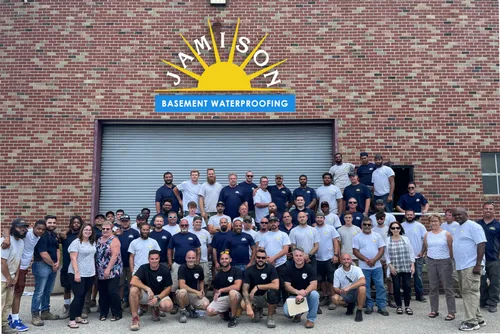
Jamison Basement Waterproofing
1429 Ulmer Ave b, Oreland, PA 19075
Jamison Basement Waterproofing is a Philadelphia, PA-based contractor specializing in basement waterproofing, foundation repair, and egress window installation. Serving the Greater Philadelphia area and tri-state region, they provide moisture control, sump pump installation, crawl space encapsulation, and masonry services. With over 35 years of experience, they focus on creating dry, healthy, and energy-efficient basements and crawl spaces for homeowners.
Basement Gurus
431 Rhawn St, Philadelphia, PA 19111
Basement Gurus is a basement waterproofing contractor based in Philadelphia, PA, specializing in waterproofing, mold remediation, and basement finishing. They provide solutions such as sump pumps, French drains, and crawl space encapsulation to keep basements dry and safe. Their services cater primarily to homeowners looking to protect and improve their residential properties.
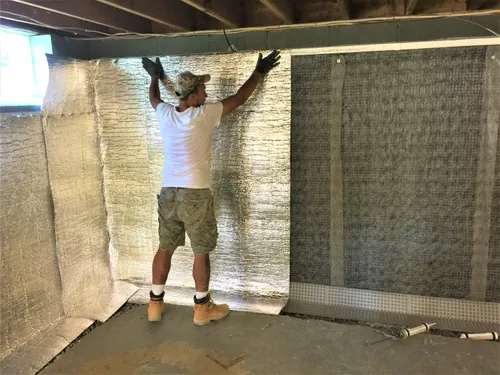
Worthington Foundation Authority
601 Gawain Rd, Plymouth Meeting, PA 19462
Worthington Foundation Authority is a Philadelphia, PA-based contractor specializing in foundation repair, basement egress installation, and waterproofing. They provide comprehensive solutions including large, high-velocity drainage systems and sump pumps designed to keep basements dry and foundations secure. With over 65 years of experience serving the Delaware Valley, they focus on creating healthy, dry environments for homeowners.
MAC Waterproofing
1421 Green Valley Rd #3562, Norristown, PA 19401
MAC Waterproofing is a Philadelphia, PA-based contractor specializing in egress window installation and comprehensive basement waterproofing services. They offer custom egress window design and installation, including window wells and permit assistance, ensuring code compliance and enhanced basement safety. Their services also include foundation repair, drainage solutions, and concrete restoration, serving residential properties across Philadelphia and surrounding counties.
Basements Love Us
3653 Salmon St, Philadelphia, PA 19134
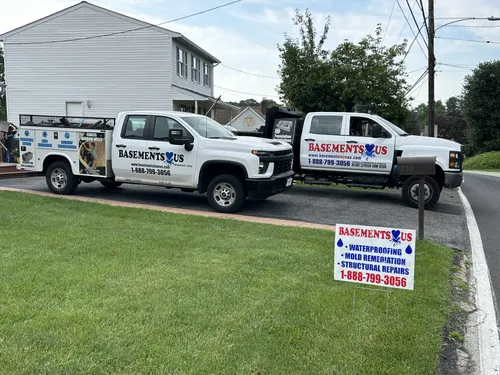
Basements Love Us is a family-owned and operated contractor based in Philadelphia, PA, specializing in basement waterproofing, mold remediation, structural repairs, and egress window installation. They serve residential clients across New Jersey, Eastern Pennsylvania, and Delaware, offering comprehensive solutions including sump pump and French drain installation, foundation repair, and crawl space encapsulation. The company is fully licensed and insured, with over 20 years of combined experience and a commitment to quality and customer satisfaction.
Understanding Pennsylvania Egress Window Codes
Pennsylvania's construction standards are governed by the Uniform Construction Code (UCC), which adopts the International Residential Code (IRC) with potential local amendments. This means the core requirements are statewide, but your specific township or municipality may have additional rules. Always check with your local building code office before starting any work.
The primary purpose of an egress window is to allow occupants to escape and emergency personnel to enter. Therefore, the codes are very specific about the window's size, operation, and the accompanying window well if one is needed.
Key Window Opening Requirements
For a basement window to qualify as a legal egress in Pennsylvania, it must meet these minimum specifications 1 2:
- Minimum Net Clear Opening: 5.7 square feet. (Note: For windows at grade level, the requirement is 5.0 square feet) 3.
- Minimum Opening Height: 24 inches clear.
- Minimum Opening Width: 20 inches clear.
- Maximum Sill Height: The bottom of the clear opening must be no more than 44 inches above the finished floor of the basement.
- Operability: The window must be operable from the inside without the use of keys, tools, or special knowledge. It should open fully with minimal effort.
These dimensions ensure that an adult, potentially under duress, can fit through the opening. Common window sizes that meet code include 24" wide by 36" high or 30" by 48".
Window Well Specifications
If your basement window is below ground level, it will require a window well. The well isn't just a hole in the ground; it must also comply with code to be safe and functional.
- Minimum Well Size: The well must provide at least 9 square feet of horizontal area (e.g., 36 inches wide by 36 inches of projection from the house wall).
- Ladder or Steps Required: If the depth of the well exceeds 44 inches, a permanently attached ladder or steps are mandatory for escape.
- Ladder/Step Details: These must be at least 12 inches wide, project 3 to 6 inches from the well wall, and have rungs spaced no more than 18 inches apart vertically 4 5 6 7.
A properly sized well not only meets code but also allows more light into the basement and makes maintenance easier.
The Installation Process: What to Expect
Replacing or installing an egress window is a significant construction project that typically involves cutting through your home's foundation. Here's a general overview of the steps a professional contractor will follow:
- Site Assessment and Planning: A pro will evaluate your basement layout, foundation type (poured concrete vs. block), exterior grading, and any underground utilities. They will help you select the optimal location and window size.
- Permitting: Your contractor will usually pull the required building permits from your local municipality. This ensures the project is inspected and approved, which is crucial for your home's safety and resale value. Permit fees in Pennsylvania can range from $50 to over $500 8 9.
- Excavation: The area outside the foundation is dug out to create space for the new window and its well.
- Cutting the Foundation: Using specialized saws, a precise opening is cut into the concrete or block. This is a skilled task to maintain structural integrity.
- Installing the Window Buck and Window: A waterproof, structural frame (buck) is installed in the new opening. The egress window unit-often a casement or sliding style that opens fully-is then sealed and secured into place.
- Building the Window Well: A prefabricated metal or composite well is installed, or one is built from masonry. Drainage gravel is added to the bottom, connected to a drain tile if necessary, to prevent water accumulation.
- Finishing: The interior is framed and finished, and the exterior is backfilled and graded to direct water away from the new well.
Find the perfect egress window contractors for your needs
Get personalized recommendations and expert advice
Cost Factors for Egress Windows in Pennsylvania
The total cost for an egress window project can vary widely based on the size of the window, the depth and material of the well, the type of foundation, and local labor rates. The price typically includes the window unit, the well, excavation, installation labor, and permit fees.
Based on common project scopes, here are some estimated price ranges for a complete installation in Pennsylvania:
- Basic Code-Compliant Installation (24"x36" window): $2,500 - $4,000+
- Mid-Range Installation (30"x48" window): $3,500 - $6,000+
- Large or Complex Installation (36"x60" window, deep well, difficult access): $5,000 - $8,500+
These are estimates, and your final cost could be lower or higher. Factors that increase cost include:
- Foundation Material: Cutting through stone or thick poured concrete is more labor-intensive than cinder block.
- Access Issues: Tight yards that require manual excavation or special equipment.
- Drainage Solutions: Adding a sump pump or extensive drain tile to a wet area.
- Window Quality: Upgrading to energy-efficient, low-E glass or a more durable clad-wood frame.
- Interior Finishing: Adding drywall, trim, and paint to the new interior opening.
Getting multiple detailed quotes from licensed and insured contractors is the best way to understand the investment for your specific home.
Why Professional Installation is Non-Negotiable
While some homeowners may consider this a DIY project, the risks and requirements make professional installation highly advisable.
- Structural Integrity: Incorrectly cutting a foundation can compromise your home's stability.
- Code Compliance: Professionals know the state and local codes inside and out. An inspector can fail an improperly installed window, requiring costly rework.
- Water Management: This is the most critical factor for basement projects. A pro will ensure the window, well, and surrounding area are waterproofed and drained correctly to prevent future leaks and flooding.
- Safety: The operation involves heavy excavation, concrete sawing, and working below grade, which poses significant safety hazards.
- Warranty: Reputable installers provide warranties on both their labor and the products they install, giving you long-term peace of mind.
Choosing the Right Window and Well
When planning your project, you'll have choices:
- Window Types: Casement windows that crank open fully are the most common choice for egress because they provide the maximum clear opening. Some sliding windows also meet code requirements.
- Well Materials: Corrugated metal is economical, while smooth-sided polymer composites are more durable, easier to climb, and often look more finished. Stone or masonry wells are custom-built and are typically the most expensive option.
- Covers: A clear polycarbonate cover is recommended for most wells. It keeps out debris and snow while allowing light in and can often be lifted from inside for emergency escape.
Frequently asked questions
Sources
Footnotes
-
IRC Codes In Pennsylvania | PA Egress Window Requirements - https://windowwellexperts.com/irc-codes/pennsylvania/ ↩
-
Your Guide to Egress Window Requirements - https://supreme-window.com/2025/05/29/egress-window-requirements/ ↩
-
2026 Guide to Egress Window Size Requirements for Home ... - https://www.keystonewindow.com/egress-window-size/ ↩
-
Egress Window Size Requirements: 2025 Holiday Buyer's ... - https://www.egresssystemsinc.com/egress-window-size-requirements-2025-holiday-buyers-guide-for-basements ↩
-
Pennsylvania - https://www.redi-exit.com/pages/pennsylvania ↩
-
Egress Window Requirements for Pennsylvania (PA) - https://hargravecontractors.com/our-blog/f/egress-window-requirements-for-pennsylvania-pa ↩
-
Egress Windows - Sizing and Requirements Explained! - https://www.buildingcode.blog/blog/egress-windows-sizing-and-requirements ↩
-
Egress Window Permits: A Contractor's Guide - https://www.permitflow.com/blog/egress-window-permit ↩
-
Pennsylvania Window Replacement Cost 2025 - Modernize - https://modernize.com/windows/replacement-cost-calculator/pennsylvania ↩