
Find the Best Egress Window Contractors for Your Business
No obligation • Fast responses • Nationwide coverage

Why you can trust Window Rank
Window Rank is a leading U.S. resource for homeowners researching window repair, replacement, egress windows, and sliding glass doors. Our editors analyze services, credentials, and customer feedback to present clear, unbiased comparisons. Companies cannot pay to change our evaluations or featured information.
Search providers near you
Top Egress Window Contractors in Evanston, Illinois Ranked
An egress window is a critical safety feature, legally required for any basement bedroom or habitable space. It provides a secondary means of escape in an emergency and allows for emergency responder entry. This guide explains the specific codes, permit process, and considerations for installing or replacing an egress window in Evanston, helping you understand what's needed to make your basement space safe, legal, and more livable.
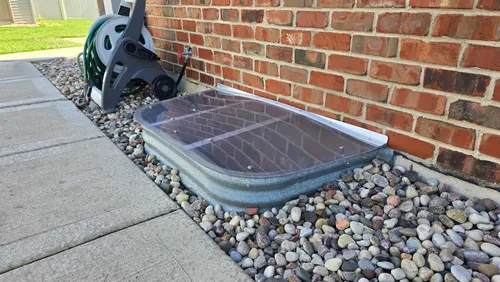
Porcayo's Custom Window Well Covers
Chicago, IL
Porcayo's Custom Window Well Covers in Chicago, IL specializes in custom-built window well covers, egress window installations, and window repairs. They offer durable, weather-resistant covers tailored to fit any window well size, including custom metal grates and clear polycarbonate options. Their services include permit handling, installation, maintenance, and replacement of basement windows and window wells, serving residential customers across Chicagoland and nearby areas.
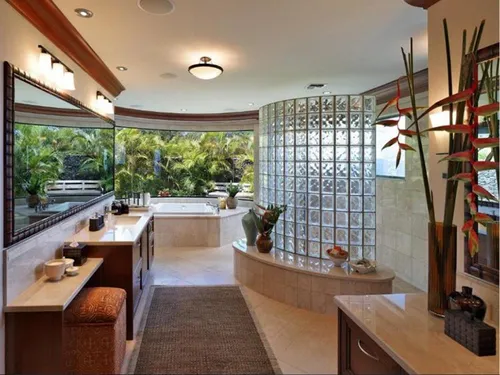
Legacy Glass Block & Window Co.
Chicago, IL
Legacy Glass Block & Window Co. is a window replacement and glass block company based in Chicago, IL. They specialize in customized window installations, including egress and basement windows, using advanced construction techniques. The company serves clients seeking both window replacements and exterior glass block solutions.
Gilkey Replacement Window Company - Chicago
10160 Virginia Ave, Chicago Ridge, IL 60415
Gilkey Replacement Window Company - Chicago is a window replacement and door installation provider based in Chicago, IL. They specialize in U.S.-made windows designed for energy efficiency, security, and durability, including casement, double-hung, and picture windows. Their services also include sliding patio doors and customizable entry doors, serving residential properties throughout the greater Chicago area.
U.S. Waterproofing
81 Remington Rd, Schaumburg, IL 60173
U.S. Waterproofing is a family-operated egress window contractor based in Chicago, IL, specializing in basement waterproofing and foundation repair. They provide comprehensive solutions including window wells with custom covers and drainage systems designed for Midwest soil and weather conditions. Serving residential properties throughout the greater Midwest area, they bring over 65 years of experience to protect homes from water damage and foundation issues.
Continental Window & Glass
4311 W Belmont Ave, Chicago, IL 60641
Continental Window & Glass is a family-owned window replacement and sliding glass door company located in Chicago, IL. Established in 1989, they manufacture high-quality vinyl windows and patio doors using advanced German and Italian machinery. Their product range includes double-hung, sliding, awning, bay, casement, custom-shaped, and glass block windows, as well as patio doors. They specialize in energy-efficient Eco-Thermal vinyl windows with weather-tight seals and options like Low-E glass with Argon gas to improve insulation.
Understanding Egress Window Requirements in Evanston
In Evanston, as throughout Illinois, egress window installation is governed by the International Residential Code (IRC) as adopted by the state and enforced by the City of Evanston's Community Development Department. These aren't just suggestions; they are legal requirements for any room used for sleeping, such as a basement bedroom, and for any habitable basement space. The primary purpose is life safety: providing a clear, operable exit in case of fire or other emergencies when the primary exit is blocked 1.
An egress window is defined by its specific dimensions and operation, not just its location. It must be large enough for a firefighter wearing full gear to enter and for occupants to exit. Failure to meet these codes can result in failed inspections, fines, and, most importantly, a dangerous living situation. It also affects your home's insurance and resale value, as non-compliant basement bedrooms are not legally considered bedrooms.
Key Code Specifications for Evanston Homes
The codes are precise. Here are the critical measurements you must meet for a compliant basement egress window in Evanston:
- Minimum Clear Opening: The net clear opening of the window must be at least 5.7 square feet (820 square inches). For windows that are below the surrounding ground level (grade), the requirement is slightly reduced to a minimum of 5.0 square feet 2.
- Minimum Dimensions: The opening must be at least 20 inches wide and 24 inches high. These are measured from the inside of the frame, accounting for the sash.
- Maximum Sill Height: The bottom of the clear opening (the sill) cannot be more than 44 inches above the finished floor of the room. This ensures it is low enough for occupants, including children and elderly individuals, to climb through.
- Operation: The window must be operable from the inside without the use of tools, keys, or special knowledge. It should open fully to provide the required clear opening. Most casement and awning windows are suitable, while single- or double-hung windows often are not unless they are very large.
The Essential Window Well
If your basement window is below ground level, a code-compliant egress window well is mandatory. The well creates the external space needed for the window to function as an exit.
- Well Size: The well must provide at least 9 square feet of horizontal area (e.g., 36 inches by 36 inches) 3. This gives a person enough space to stand and climb out.
- Projection: The well must extend at least 36 inches from the exterior wall, providing the required area.
- Ladder or Steps: If the depth of the window well exceeds 44 inches, the code requires a permanent ladder or steps for escape. These must be corrosion-resistant, able to support 1,000 pounds, and have rungs no more than 18 inches apart 4 5 6.
- Drainage: Proper drainage is crucial to prevent water from pooling in the well and leaking into your basement. This often involves a gravel base and may require connection to a drain tile or sump pump system.
Find the perfect egress window contractors for your needs
Get personalized recommendations and expert advice
The Evanston Permit Process for Egress Windows
Installing an egress window is considered a structural alteration, and a building permit is always required in Evanston. Skipping this step can lead to costly corrections, legal liability, and problems when you sell your home. The process is managed online through the City of Evanston Citizen Portal.
- Apply Online: Start by creating an application for a residential building permit on the Citizen Portal. You will need to provide the property address, owner information, and details of the proposed work.
- Submit Plans: You must upload electronic copies of your plans. These should show the location of the new window, the dimensions of the rough opening, the window well details, and any structural modifications. You'll also need to provide the estimated project cost and information about your licensed contractor, who must be registered with the City of Evanston 7 8.
- Plan Review: City plan reviewers will examine your submission for compliance with the Illinois Building Code, including the egress, structural, and well requirements. This review process can take several weeks.
- Permit Issuance & Fees: Once approved, you will pay the permit fees (based on project valuation) and receive your permit. The permit must be posted visibly at the job site.
- Required Inspections: The city will mandate inspections at critical stages. Typical inspections for an egress window project include:
- Footing/Excavation: Before the well is backfilled, to check depth and drainage.
- Framing/Rough Opening: After the hole is cut in the foundation and framed, but before the window is installed.
- Final Inspection: After the window, well, ladder, and all finishes are complete.
Working with a contractor familiar with Evanston's specific process can streamline this significantly.
Cost Considerations for Egress Window Projects in Evanston
The cost of an egress window installation in Evanston varies widely based on the complexity of your specific situation. It's a significant project that involves masonry work, potential structural support, excavation, and finishing.
- Basic Installation ($3,500 - $6,500): This range typically covers a straightforward project: cutting a new opening in a non-load-bearing foundation area, installing a standard vinyl egress window (like a casement), and a basic metal window well with gravel drainage. It assumes good soil conditions and easy access for machinery.
- Mid-Range Project ($6,500 - $10,000): Costs climb here due to factors like upgrading to a higher-quality window (e.g., fiberglass or wood-clad), installing a larger or more durable (e.g., stone or block) window well, adding a custom cover, or dealing with moderate drainage solutions. This range may also include some minor structural reinforcement.
- Complex Installation ($10,000+): Projects at this level involve significant challenges. This includes digging a very deep well (requiring extensive shoring), cutting through a load-bearing foundation wall (necessitating steel beams or headers), navigating very tight property lines or difficult access, integrating with a complex exterior drainage system, or repairing surrounding foundation damage discovered during excavation 9.
Remember, these are project costs. The price of the window unit itself is just one component. The bulk of the expense lies in the labor, materials, and equipment for excavation, masonry, and construction.
Choosing the Right Window and Well
Selecting products that are both aesthetically pleasing and code-compliant is key.
- Window Types: Casement windows are the most common choice for egress because they typically open fully to provide the entire clear opening. Awning windows (which hinge at the top) are also excellent options. Avoid standard double-hung or sliding windows unless you have verified they provide the full, unobstructed 5.7 sq. ft. opening when open.
- Well Materials:
- Metal Wells: Galvanized or corrugated steel is the most common and cost-effective. They come in various shapes (straight, curved, angled) and can be anchored into the ground.
- Polymer Wells: Lightweight, durable, and often more attractive than metal. They won't rust and can mimic the look of stone.
- Masonry Wells: Built from stone, brick, or block, these are the most permanent and aesthetically integrated option, but also the most expensive.
Why Professional Installation is Non-Negotiable
This is not a DIY project for most homeowners. The risks are too high:
- Structural Integrity: Incorrectly cutting a foundation wall can compromise your home's structure.
- Water Infiltration: Improper sealing, flashing, or drainage in the well is the leading cause of basement leaks after installation.
- Code Compliance: A professional installer knows the exact Evanston codes and how to pass inspection the first time.
- Safety: The excavation for a window well can be deep and requires knowledge of soil safety and shoring.
A qualified, licensed, and insured contractor specializing in egress window replacement will handle the permit process, ensure correct installation, and guarantee their work, protecting your investment and your safety.
Frequently asked questions
Sources
Footnotes
-
Does An Egress Window Have To Be In The Basement Bedroom? - https://www.thegreategressco.com/blogs/egress-window-blog/does-an-egress-window-have-to-be-in-the-basement-bedroom ↩
-
Secondary Means of Escape Egress Windows - https://sfm.illinois.gov/content/dam/soi/en/web/sfm/sfmdocuments/documents/secondarymeansofescapeegresswindows.pdf ↩
-
IRC Codes In Illinois | IL Egress Window Requirements - https://windowwellexperts.com/irc-codes/illinois/ ↩
-
Illinois Egress Window Code - https://www.thegreategressco.com/pages/illinois-egress-requirements ↩
-
Understanding Basement Egress Window Code in Illinois - Coohom - https://www.coohom.com/article/understanding-basement-egress-window-code-in-illinois ↩
-
What are the code requirements for egress windows? - https://stratumrepair.com/blog/foundation-repair/egress-windows-code-requirements-and-window-styles/ ↩
-
Residential Permits | City of Evanston - https://www.cityofevanston.org/government/departments/community-development/residential-permits ↩
-
Basement Egress Windows: Code Requirements & Options - https://window-gurus.com/blog/basement-egress-windows-safety-requirements-and-options/ ↩
-
Chicagoland Basement Egress Window: Codes & Costs 2026 - https://basement2finish.com/chicago-basement-egress-window/ ↩